Entry · Ref -MOZKTDF
Norweco Singulair Green Wantage NJ: Your Guide to Cleaner Wastewater Treatment
- Posted
- 2026-09-29
- Last amended
- 2026-09-29
- Account
- @archermszd154
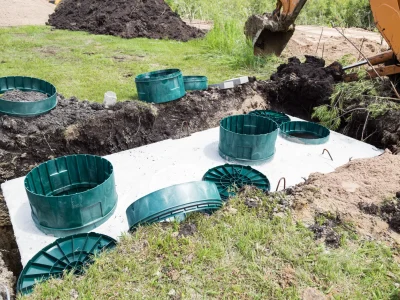
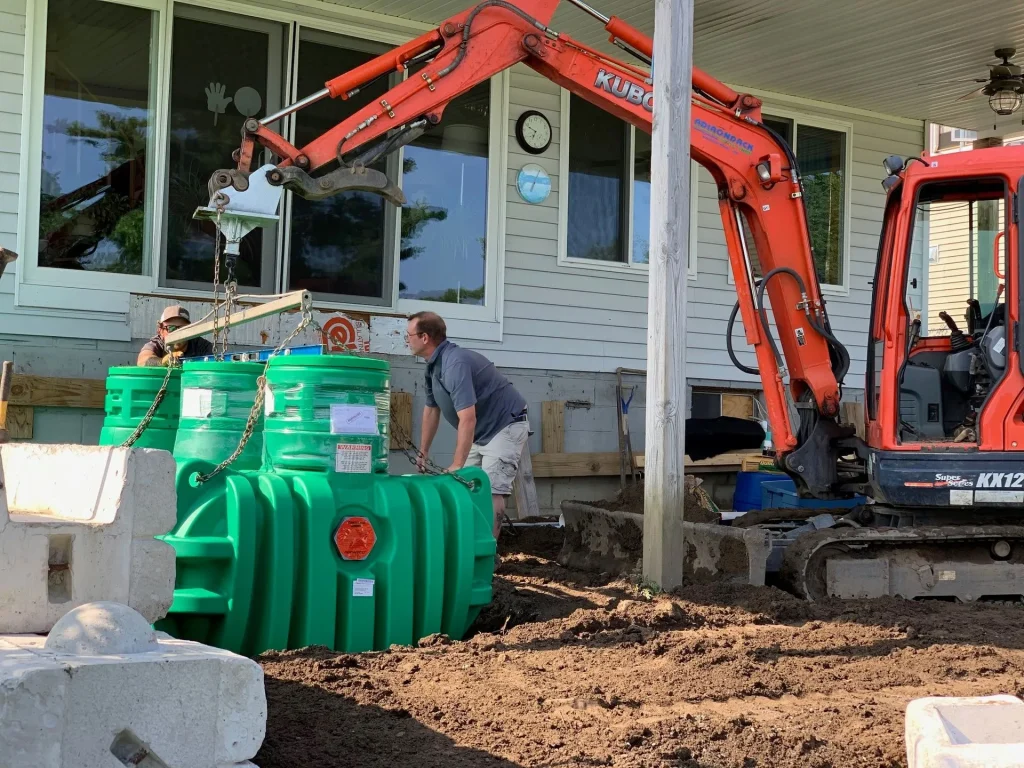

If you own a home in Wantage, NJ, wastewater treatment is not an abstract utility topic. It is tied to the ground under your feet, the slope of your lot, the age of your home, and the reliability of a system you barely think about until something goes wrong. In a rural area where many properties rely on onsite treatment rather than a municipal sewer connection, the difference between a basic septic setup and a more advanced treatment unit can matter a great deal.
That is where the Norweco Singulair Green often enters the conversation. Homeowners searching for norweco singulair green Wantage NJ are usually looking for one of three things. They are building on a site with limitations, replacing a failing septic system, or trying to understand whether an advanced treatment system is worth the added complexity. Those are practical questions, and they deserve practical answers.
The Norweco Singulair Green is an aerobic treatment system. In simple terms, it uses oxygen and mechanical treatment to break down wastewater more thoroughly than a conventional septic tank alone. That stronger treatment can help on properties where soil conditions, lot size, setback rules, or environmental concerns make a standard septic design difficult or impossible. It can also be part of a plan approved by local and state regulators when a site needs higher treatment performance before effluent norweco singulair green Wantage NJ reaches the dispersal field.
None of that means it is the right answer for every property. A conventional gravity septic system, when the site supports it, is often simpler and less expensive to operate. But in the real world, many lots in northwestern New Jersey are not simple. I have seen properties where shallow soils, wet areas, old failed systems, or additions to the house pushed owners into a more advanced solution. In those cases, knowing how a Singulair Green works, what it costs to maintain, and what daily life with the system looks like is far more useful than reading generic marketing language.
Why advanced onsite treatment matters in Wantage
Wantage sits in a part of New Jersey where many homes are spread out and septic systems remain common. The local appeal is obvious. You get space, privacy, wooded lots, and a less dense setting than many other parts of the state. The trade-off is that each property often has to manage its own wastewater responsibly.
That can be straightforward on a dry, well-drained site with enough room for a standard leach field. It gets harder when the lot has poor percolation, a high seasonal water table, limiting layers close to the surface, or setbacks that tighten the available design area. Add in an older house that has been expanded over time, and the original septic assumptions may no longer fit how the property is actually used.
An advanced treatment unit like the Norweco Singulair Green is often selected because it produces cleaner effluent before that water moves into the soil treatment area. Cleaner effluent can support designs that would otherwise struggle, especially where regulators require stronger treatment performance. It is not a magic box that overrides every site limitation, but it gives engineers and installers another tool when conventional approaches fall short.
That distinction matters. Some homeowners hear “advanced treatment” and assume the system eliminates the need for a properly designed disposal area. It does not. You still need a complete, approved system design that matches the site. The treatment unit is one part of the solution, not the whole solution.
What the Singulair Green actually does
At its core, the Norweco Singulair Green is built to treat residential wastewater through several stages. Wastewater enters the system, solids separate, and then the aerobic treatment process uses air and biological action to break down contaminants more aggressively than an anaerobic septic tank alone. Depending on the specific system design and permit requirements, the treated water then moves to a final dispersal or polishing component.
The practical effect is improved effluent quality. Better-treated water can reduce the burden on the downstream soil area and can be especially valuable where environmental sensitivity or site constraints demand more consistent performance.
For a homeowner, what matters most norweco singulair green Wantage NJ is not the internal engineering diagram but the lived experience. The system has mechanical components. It needs electricity. It benefits from routine service. It is not a bury-it-and-forget-it tank. That is the trade-off for higher treatment performance.
A fair way to think about it is this: a conventional septic system is like a dependable, simple pickup truck. A Singulair Green is more like a work vehicle with additional controls and monitoring. It can handle situations the simpler truck cannot, but you need to stay on top of maintenance.
Where it tends to make sense
In Wantage and nearby areas, advanced treatment systems often come up in projects where land use rules and site conditions leave little margin for error. New construction on marginal lots is one scenario. Another is a replacement system on an older property where the original septic layout no longer meets current code or no longer functions well.
I have also seen these systems make sense when homeowners are trying to preserve the usability of a property. Maybe there is no room to place a large conventional field without cutting into a driveway, a mature tree line, or a setback buffer. Maybe the house sits in a location that limits options. In those situations, the stronger treatment from a unit like the Singulair Green can open a path that is more practical than trying to force a standard design onto a difficult parcel.
That said, “can be approved” is not the same as “should be chosen automatically.” An honest designer will weigh installation cost, service obligations, replacement parts, and the owner's willingness to manage a more active system. A family that wants minimal oversight and rarely pays attention to home mechanical systems may not be thrilled with equipment that needs periodic inspection and dependable power.
What daily ownership feels like
Most homeowners do not interact with their wastewater system much on a normal day. If the Singulair Green is installed correctly and serviced on schedule, that remains largely true. Toilets flush, showers drain, laundry runs, and life goes on. The difference is mostly behind the scenes.
You should expect a few realities. First, the system relies on electrical components, so a power outage can interrupt active treatment. Short outages are usually manageable, but repeated or extended outages deserve attention, especially if water use stays high. Second, service visits are part of responsible ownership. Aerobic systems need periodic inspection to confirm the aerator, controls, and treatment process are functioning as intended. Third, what goes down the drain matters. Grease, wipes, harsh chemicals, and inappropriate solids create headaches in any septic system, but advanced treatment units are not immune just because they are more sophisticated.
Homeowners often ask whether these systems smell. Under normal operation, they should not produce persistent foul odors around the yard. Bad smells are usually a warning sign. They can indicate a component issue, an overloaded tank, a venting problem, or trouble in the downstream dispersal area. A healthy system should be relatively unobtrusive.
Noise is another concern. Most of the time, any operating sound from the equipment is minimal, especially when the unit is installed and maintained properly. It should not dominate outdoor use of the property.
Installation is only as good as the site work
One of the biggest mistakes homeowners make is focusing too narrowly on the treatment unit itself. The name on the tank matters less than the quality of the design, permitting, and installation process around it.
For a system like this in Wantage, the sequence usually starts with site evaluation and engineering. Soil conditions, topography, groundwater considerations, and local requirements all shape the design. That design then has to be approved through the appropriate channels before installation begins. Once the work starts, excavation, tank placement, piping, controls, grading, and the final dispersal system all need to be executed cleanly.
A rushed installation can create expensive problems that homeowners mistakenly blame on the equipment brand. I have seen advanced systems get a bad reputation when the real culprit was poor site preparation, improper elevations, inadequate electrical work, or an installer who treated startup as an afterthought. On the other hand, a well-installed system with clear owner guidance often performs quietly for years.
If you are comparing proposals, look beyond the price line. Ask who is responsible for design coordination, startup, service access, and owner training. A lower bid can become an expensive one if corners are cut on the parts you do not see after the lawn grows back.
Costs, and where people underestimate them
There is no honest one-size-fits-all price for a Norweco Singulair Green system in Wantage, NJ. Costs vary with site complexity, excavation conditions, permit requirements, electrical needs, restoration work, and the type of dispersal field paired with the unit. Replacement work on a tight existing lot can be notably more complicated than new construction on an open site.
What homeowners often underestimate is not only the upfront installation price but the lifetime cost of ownership. That includes service inspections, pumping on an appropriate schedule, electricity use, and occasional component replacement. The electrical cost is usually not crushing, but it is real. So is the value of a service contract with a provider who understands the system.
The right financial comparison is not advanced system versus no cost. It is advanced system versus the practical alternatives available for your property. If a conventional system cannot be approved, or if forcing one into place would create poor long-term reliability, then the advanced option may actually be the more economical decision over time, even with higher annual care.
Maintenance habits that protect the investment
A Singulair Green system rewards attentive ownership. It does not require obsessive monitoring, but it does need regular care. The owners who have the fewest problems are usually the ones who treat the system like their heating equipment, something that runs in the background but still deserves scheduled maintenance and sensible use.
Here are the habits that matter most:
- Keep service visits current and use a qualified provider familiar with the system.
- Spread out heavy water use when possible instead of overloading the system in short bursts.
- Avoid flushing wipes, grease, paper towels, hygiene products, and harsh chemicals.
- Pump the system when recommended, based on household size and actual sludge accumulation.
- Watch for changes such as odors, alarms, slow drains, or soggy areas near the treatment or disposal field.
That short list sounds simple because it is. The trouble starts when owners ignore early warnings. A flashing alarm, unusual noise, or wet patch in the yard is rarely a problem that improves with time. Addressing a bad float switch or service issue early is much cheaper than letting the downstream field get stressed.
Common trouble signs and what they usually mean
When an advanced treatment system starts acting up, the symptoms are often similar to what you would see with any septic problem, but the causes can differ. Slow drains may point to plumbing issues inside the house, a full tank, or a downstream restriction. Odors can suggest treatment disruption, venting issues, or excess solids. Standing water near the disposal area deserves prompt attention because it may signal a hydraulic overload or field problem.
Alarm conditions should not be ignored. They do not always mean disaster. Sometimes the issue is a control component, a float, or a temporary upset. But alarms exist for a reason. They are the system's way of telling you normal operation has changed. Call the service provider, describe the symptom clearly, and avoid dramatically increasing water use until the issue is understood.
One practical point homeowners appreciate hearing plainly: do not try to self-diagnose every septic issue from internet forums. There is a big difference between checking whether a breaker tripped and opening equipment or making adjustments you do not understand. Aerobic systems combine wastewater treatment, electrical components, and site-specific design. Guesswork can create bigger problems quickly.
Choosing the right local professional
The quality of local support matters almost as much as the equipment itself. If you are pursuing a norweco singulair green Wantage NJ installation, look for a contractor or service company that can speak clearly about how the system fits your specific property, not just recite brochure language.
A good professional should be comfortable discussing likely maintenance intervals, expected owner responsibilities, alarm response, pumping needs, and how the final disposal area is protected. They should also explain permit steps and set realistic expectations about scheduling. In rural areas, timing can shift because of weather, inspections, and excavation conditions. Honest communication is worth a lot.
When interviewing companies, focus on a few grounded questions:
- How many advanced onsite treatment systems do you install or service in this region?
- Who handles startup, owner orientation, and follow-up service?
- What maintenance schedule do you recommend for this property and household size?
- How will this design address the specific site limitations on my lot?
- What costs should I expect after installation, year by year?
Those questions reveal whether the conversation is rooted in field experience. If answers stay vague or overly polished, keep looking.
The local angle homeowners should not ignore
Wantage properties are not interchangeable. Even lots on the same road can behave differently once test pits, seasonal water conditions, and grading come into play. That is why local knowledge is so valuable. A professional who regularly works in Sussex County will often have a better sense of common site constraints, inspection expectations, and the realities of building on sloped or wooded parcels.
Climate matters too. Freeze cycles, spring wetness, and storm patterns all affect installation timing and surface conditions. A system that is theoretically sound on paper still has to survive real northeastern seasons and normal family use. Good design accounts for that. So does good maintenance.
Another local reality is resale. Buyers in rural New Jersey are often familiar with septic systems in general, but not all understand advanced treatment units. Clear records help. Keep permits, as-built drawings if provided, service logs, and pumping records organized. When it comes time to sell, documentation reduces uncertainty and helps the next owner understand the system instead of fearing it.
Is it worth it?
The answer depends on what problem you are trying to solve. If your lot in Wantage can support a conventional septic system with solid long-term performance, that may remain the simpler route. If the site is constrained, the existing system has failed, or approval depends on achieving higher treatment quality, the Norweco Singulair Green may be exactly the kind of system that makes the property workable.
Worth is not measured only in initial dollars. It is also measured in reliability, regulatory compliance, protection of groundwater, and peace of mind that the system is matched to the site rather than forced onto it. Homeowners tend to feel best about the investment when they go in with open eyes. They understand that they are buying stronger treatment and greater design flexibility, along with a maintenance obligation that should be taken seriously.
That is the right way to approach norweco singulair green Wantage NJ. Not as a miracle product, not as a luxury upgrade for its own sake, but as a practical wastewater treatment option for properties that need more than a basic tank and field can provide. When the engineering is sound, the installation is careful, and the owner stays engaged, it can be a very effective part of a cleaner, more dependable onsite wastewater system.
Excavating New Jersey LLC
406 County Rd 565
Wantage, NJ 07461, United States
Phone: +1 (973) 791-4284
FAQ About norweco singulair green Wantage NJ
How does a Norweco septic system work?
Singulair Green uses aerobic biological treatment in a polyethylene tank, followed by settling and filtration. The treatment unit is one part of a complete wastewater system; the site design also determines how treated effluent is dispersed.
How much does a Norweco septic system cost in NJ?
A useful estimate requires a property evaluation. Excavation access, soil conditions, engineering, electrical work, the disposal field, and restoration can affect the total. Ask Excavating New Jersey LLC for a written scope that distinguishes installation costs from ongoing service costs.
Are Norweco septic systems good?
Singulair Green is an established aerobic treatment option, but suitability depends on the property and proposed design. Compare the model's documented performance, maintenance needs, and total project scope with alternatives before deciding.