Entry · Ref 32VSUGLR
What You Need to Know About Norweco Singulair Green Service in Wantage NJ
- Posted
- 2026-09-29
- Last amended
- 2026-09-29
- Account
- @archermszd154
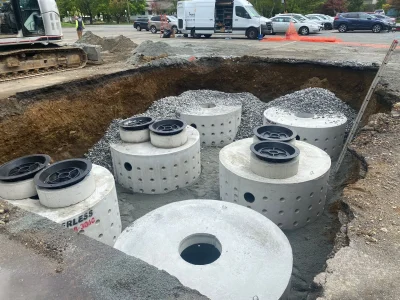

If you own a home in Wantage with a Norweco Singulair Green system, service is not something to put off until a light comes on or a drain starts backing up. These systems do excellent work when they are maintained properly, but they are not the kind of equipment that forgives neglect for long. I have seen the same pattern more than once in Sussex County. A homeowner assumes the unit is basically a septic tank with a few extra parts, skips scheduled attention for a year or two, then ends up paying for preventable repairs and dealing with foul odors at the worst possible time.
That is the real value of understanding Norweco Singulair Green service in Wantage NJ. It is not just about checking a box for routine maintenance. It is about protecting the treatment process, avoiding nuisance failures, keeping the property compliant where required, and extending the life of a system that represents a serious investment.
Why this system is different from a standard septic setup
A conventional septic system relies mostly on passive settling and soil absorption. A Norweco Singulair Green unit is an advanced treatment system. It uses aeration and mechanical components to treat wastewater to a higher quality before it moves on for final dispersal. That added treatment can be a major advantage on properties where soil conditions, lot size, or local requirements make a basic septic design impractical.
Wantage and the surrounding region present some of those exact conditions. You have homes on varied terrain, older properties with limited room for replacement fields, and a climate that puts stress on outdoor equipment. Freeze cycles, heavy rains, seasonal occupancy patterns, and storm-related outages all matter. An advanced treatment unit can be a very good fit, but only if it gets the kind of service that matches its design.
That is the first thing homeowners need to understand. A Norweco Singulair Green is not maintenance-free. It has moving parts, controls, aeration components, and biological treatment activity that all need periodic attention. Treat it like a standard tank and you increase the odds of odors, alarms, poor effluent quality, component wear, and expensive emergency calls.
What a Norweco Singulair Green system is actually doing
At a practical level, the system is trying to do two jobs at once. First, it separates and holds solids much like a septic tank would. Second, it actively treats the wastewater by introducing air and supporting aerobic bacteria that break down waste more efficiently. That is what gives the system its improved treatment performance.
When everything is running as intended, the aeration equipment keeps oxygen moving through the treatment chamber, the bacteria stay healthy, solids remain under control, and the effluent leaving the unit is much cleaner than what comes out of a simple septic tank. When service is skipped, the process starts slipping in subtle ways before a homeowner notices anything obvious. Airflow can weaken. Diffusers can foul. Filters can clog. Sludge can accumulate past ideal levels. Electrical controls can drift into failure. By the time the problem becomes visible, the system may already be under strain.
One of the more common misconceptions is that if water still goes down the drains, the system must be fine. That is a risky assumption. Wastewater treatment problems often build quietly.
What service usually includes in Wantage NJ
Service for a Norweco Singulair Green system should be more than a quick glance at the lid and a signature on a form. A proper visit is part inspection, part cleaning, part performance check. The exact scope can vary by installation and local oversight, but the basics should cover the treatment process and the system hardware.
A thorough provider will typically inspect the aerator, controls, alarms, air delivery, internal components, sludge and scum levels, and the condition of the tank and access points. They may also assess whether the system appears hydraulically overloaded, whether solids are carrying over, and whether the discharge or downstream dispersal components show signs of stress.
If the system has an effluent filter or related serviceable parts, those need attention too. The biological side matters just as much as the mechanical side. An experienced technician is not simply checking whether the motor turns on. They are looking for signs that the treatment environment is healthy.
In a place like Wantage, local conditions matter during service calls. A technician who works regularly in Sussex County norweco singulair green Wantage NJ excavatingnj.com tends to recognize patterns that an outsider might miss. Spring groundwater issues, winter freeze concerns, root intrusion, difficult access after storms, and the wear that comes from intermittent occupancy are all familiar territory here.
The parts that most often need attention
Homeowners often ask which component is most likely to cause trouble. There is not one universal answer, but some recurring themes show up in the field.
The aerator is one of the most important pieces in the system. If it weakens or fails, treatment quality drops quickly. Sometimes the problem is obvious because an alarm activates. Sometimes it is more gradual, especially if performance is degrading rather than stopping outright. Filters, if present, are another regular service point. They do their job by catching material before it creates bigger problems downstream, which means they eventually need cleaning.
Controls and alarms deserve more respect than they usually get. A simple alarm issue can either warn you early or leave you blind to a developing failure, depending on whether it is working correctly. I have seen homeowners tape over a blinking panel or ignore an audible signal because “everything seems normal.” That kind of delay can turn a manageable repair into a system-wide cleanup.
Then there is the sludge issue. Even advanced treatment units still accumulate solids. Pumping schedules vary based on household size, water use, and how the system is behaving, but no treatment technology eliminates the need for periodic pumping. If anyone tells you otherwise, be skeptical.
How often service should happen
This is where homeowners want a simple calendar answer, but the honest answer depends on the system, the permit conditions, and how the home is used. Many advanced treatment systems are placed on regular service intervals that may be quarterly, semiannual, or annual, depending on local rules and the specifics of the installation. Some service contracts are designed around regulatory reporting requirements. Others are based more strictly on best maintenance practice.
For a full-time household, more frequent attention is often justified, especially in the first years after installation or after any repair history that suggests the system needs closer monitoring. A weekend home may create a different usage pattern, though sporadic occupancy can bring its own complications. Long idle periods followed by heavy holiday use are not necessarily easy on treatment systems.
Pumping frequency is a separate question from routine inspection. The unit may need scheduled service visits several times before it needs pumping, or it may need pumping sooner than expected if occupancy has increased or poor habits are adding unnecessary solids.
A good service provider does not guess. They inspect, measure, compare current conditions to past visits, and recommend timing based on what the system is actually showing.
Signs your system may need attention sooner rather than later
norweco singulair green Wantage NJThere are obvious warning signs, and then there are the quieter ones. The obvious signs include alarms, odors near the tank or discharge area, sluggish drains, unusual wet spots, or wastewater backups. Those should never be ignored.
The quieter signs often matter just as much. Maybe the air intake sounds different than it used to. Maybe the grass in one area of the yard suddenly looks much lusher and wetter. Maybe a service lid has shifted after a freeze-thaw cycle. Maybe the home has added residents, a finished basement bath, or more frequent laundry loads, but the service routine never changed to match the added demand.
A homeowner does not need to become a wastewater expert, but paying attention to changes can save real money. One client I remember called because they noticed a faint, sour odor only in damp weather. It turned out the issue was not a catastrophic failure at all. A component needed service and solids had reached a point where pumping was overdue. They addressed it early and avoided damage to downstream dispersal equipment, which would have been far more expensive.
Why local experience matters in Wantage
There is a difference between a company that can service an advanced treatment unit and one that routinely works on systems in the exact area where your home sits. Wantage is not interchangeable with every other market in New Jersey.
The local terrain, weather, soil behavior, and municipal expectations shape how these systems age. Winter access can be difficult if the unit is in a remote or sloped part of a lot. Heavy rain events can expose drainage weaknesses. Rural properties often have longer distances between house plumbing, treatment components, and discharge areas, which affects diagnosis. Older homes can also have undocumented changes made over the years, and those surprises show up during service calls.
A local provider who knows Norweco Singulair Green service in Wantage NJ will usually be faster at recognizing whether a symptom points to a simple maintenance issue, a hydraulic overload problem, a component failure, or a downstream field concern. That kind of judgment matters because the wrong fix wastes both time and money.
What homeowners can do between service visits
There is a sensible middle ground between ignoring the system and hovering over it every week. Homeowners should keep an eye on the basics and avoid habits that create stress.
Here are a few practices that genuinely help:
- Spread out laundry loads instead of running many back-to-back in one day.
- Keep grease, wipes, hygiene products, and harsh non-approved chemicals out of the system.
- Pay attention to alarms, odors, and soggy areas near treatment or discharge zones.
- Protect access lids and components from vehicle traffic, heavy equipment, and landscape changes.
- Keep service records, pumping dates, and repair notes in one place.
That short list covers most of what causes avoidable trouble. The water-use point is especially important. Hydraulic surges can overwhelm treatment performance even when the equipment itself is technically working.
The service contract question
Many owners ask whether a service contract is really necessary or if they can simply call for help when something seems wrong. In most cases, a contract is the smarter route, especially for an advanced treatment unit. It creates a service schedule, establishes who is responsible for monitoring the system, and gives you a documented maintenance history. If local oversight applies to your installation, those records may also matter for compliance.
There is also a financial argument for routine service. Emergency calls are almost always more expensive than scheduled maintenance, and the hidden cost is often bigger than the repair invoice. If a lapse in service leads to solids carryover or damage beyond the treatment tank itself, the repair scope can jump quickly.
That said, not all service agreements are equal. A low-cost plan that includes little more than a visual check may not protect you the way you think it does. Ask what is included. Ask how often visits occur. Ask whether cleaning, testing, and reporting are part of the package. Ask how pumping recommendations are handled. A contract should define real work, not just a recurring charge.
What to ask before hiring a provider
You do not need to interrogate a contractor, but a few practical questions can tell you a lot. Ask whether they regularly service Norweco Singulair Green units, not just septic systems generally. Ask how they document findings and whether they track sludge levels or note component wear over time. Ask what happens if they find a problem during a routine visit. Ask whether they handle both maintenance and repairs or if repair work is subcontracted out.
It is also fair to ask how familiar they are with systems in Wantage and nearby Sussex County communities. Local familiarity often shows up in the quality of recommendations. Someone who knows the area can usually speak clearly about winter preparation, weather-related concerns, and the service patterns they commonly see in similar homes.
One more point that gets overlooked is communication. The best providers explain what they found in plain language. They do not rely on jargon to sound impressive. If a blower is weak, they should say so. If pumping can wait, they should say that too. Homeowners deserve a candid assessment, not a vague statement that everything is “fine” or “not fine.”
Cost expectations and what drives them
Costs vary, and anyone who gives a one-size-fits-all number without seeing the setup is guessing. Routine service visits are usually far less expensive than repairs, but pricing can still depend on travel, accessibility, contract terms, the condition of the unit, and whether cleaning or small replacement parts are included. Pumping is a separate expense in many cases.
Repairs can range from modest electrical or alarm issues to more significant component replacement. The expensive scenarios usually involve neglect, repeated alarm conditions that were ignored, or problems that spread beyond the main treatment chamber. If the downstream disposal area is affected, the cost and disruption can rise sharply.
A realistic way to think about budget is this: scheduled maintenance is part of owning the system, not an optional extra. The homeowners who spend the least over the long run are usually the ones who accept that and stay ahead of problems.
Common mistakes that shorten system life
Most system failures are not dramatic one-time events. They are the result of small mistakes repeated over months or years. The most common is simply waiting too long between service visits. Another is treating the unit like a trash can for wipes, grease, disinfectant overload, or products labeled “flushable,” which often are not compatible with real-world system performance.
Landscaping causes trouble more often than people expect. I have seen decorative work bury access points, route runoff toward equipment, or place heavy features over areas that should remain accessible. Snow removal can create problems too if plow operators do not know where lids, risers, or shallow lines are located.
Then there is the ownership transition issue. A surprising number of advanced treatment problems begin right after a home sale. The new owner inherits the system with little explanation, assumes it works like any septic tank, and misses the first scheduled service cycle. If you are buying or selling a home with one of these units, service history should be part of the handoff.
Seasonal realities in Sussex County
Wantage homeowners deal with seasons that can expose weaknesses in wastewater systems. Winter does not just make service access harder. It can also reveal missing insulation, lid fit issues, and vulnerabilities related to shallow components or interrupted use. A vacant home in freezing weather deserves special attention if the system remains active at a low level.
Spring can bring saturation and drainage stress. Summer often means guests, kids home from school, and much heavier water use. Fall is a smart time for inspection because it gives you a chance to address issues before cold weather sets in.
That seasonal rhythm is one reason routine service beats reactive service. You want the system checked before peak stress, not after it starts showing signs of strain.
When repair is enough, and when bigger action is needed
Not every problem means the whole system is failing. In fact, many service calls involve correctable issues like a weak aerator, clogged filter, neglected pumping schedule, or alarm problem. Those are manageable when handled promptly.
Bigger action may be needed when poor maintenance has allowed solids to move where they should not, when repeated overload has damaged downstream components, or when age and repair history suggest the unit is no longer a good candidate for piecemeal fixes. That decision takes judgment. Replacing a component on a sound system makes sense. Throwing repeated repair money at a neglected unit with broader performance problems often does not.
A reliable provider should be willing to explain that distinction honestly. Some homeowners fear being pushed into unnecessary work. Others resist needed work for too long. The right answer depends on condition, not emotion.
The bottom line for Wantage homeowners
Owning an advanced treatment system means taking maintenance seriously. That is not bad news. It is simply the reality of equipment designed to do more than a conventional septic setup. A Norweco Singulair Green unit can serve a Wantage property very well, but it needs regular, informed attention to keep doing that job.
If you remember only one thing, make it this: service is cheapest when it is routine, documented, and local. Waiting for obvious failure is almost never the economical choice. For homeowners looking into norweco singulair green Wantage NJ service, the smartest path is to work with a provider who knows the equipment, understands Sussex County conditions, and treats maintenance as performance care rather than a formality. That is how you protect the system, the property, and your budget at the same time.
Excavating New Jersey LLC
406 County Rd 565
Wantage, NJ 07461, United States
Phone: +1 (973) 791-4284
FAQ About norweco singulair green Wantage NJ
How does a Norweco septic system work?
Singulair Green uses aerobic biological treatment in a polyethylene tank, followed by settling and filtration. The treatment unit is one part of a complete wastewater system; the site design also determines how treated effluent is dispersed.
How much does a Norweco septic system cost in NJ?
A useful estimate requires a property evaluation. Excavation access, soil conditions, engineering, electrical work, the disposal field, and restoration can affect the total. Ask Excavating New Jersey LLC for a written scope that distinguishes installation costs from ongoing service costs.
Are Norweco septic systems good?
Singulair Green is an established aerobic treatment option, but suitability depends on the property and proposed design. Compare the model's documented performance, maintenance needs, and total project scope with alternatives before deciding.